Buying a commercial property without an inspection is like buying a used car without popping the hood. You might get lucky. But you might also get stuck with a $40,000 roof repair three months after closing.
We see this happen more than we’d like. An investor falls in love with a building, skips the inspection to save time, and signs the deal. Then the HVAC dies in July. Or the roof starts leaking during the first big storm. Suddenly, the “great deal” isn’t so great anymore.
At LiteHouse Commercial, we’ve spent years walking through warehouses, offices, and retail spaces across Cincinnati and Dayton. We know exactly where problems hide. We know how much those hidden problems can cost you if nobody catches them early.
This guide breaks down why commercial building inspections for investors aren’t just a formality. They’re one of the smartest money moves you can make before closing.
What Does a Commercial Building Inspection Actually Cover?
A commercial property inspection before buying is basically a professional check of a building’s condition before you close on it. Inspectors go through the structural components, mechanical systems, and safety features to catch problems that already exist or ones that are likely to show up down the road.
The point isn’t to scare you off from buying. It’s to make sure you have the full picture. You deserve to know exactly what you’re getting into before you sign anything.
Here’s what a solid inspection typically includes:
- Roof condition and expected lifespan
- Foundation and structural integrity
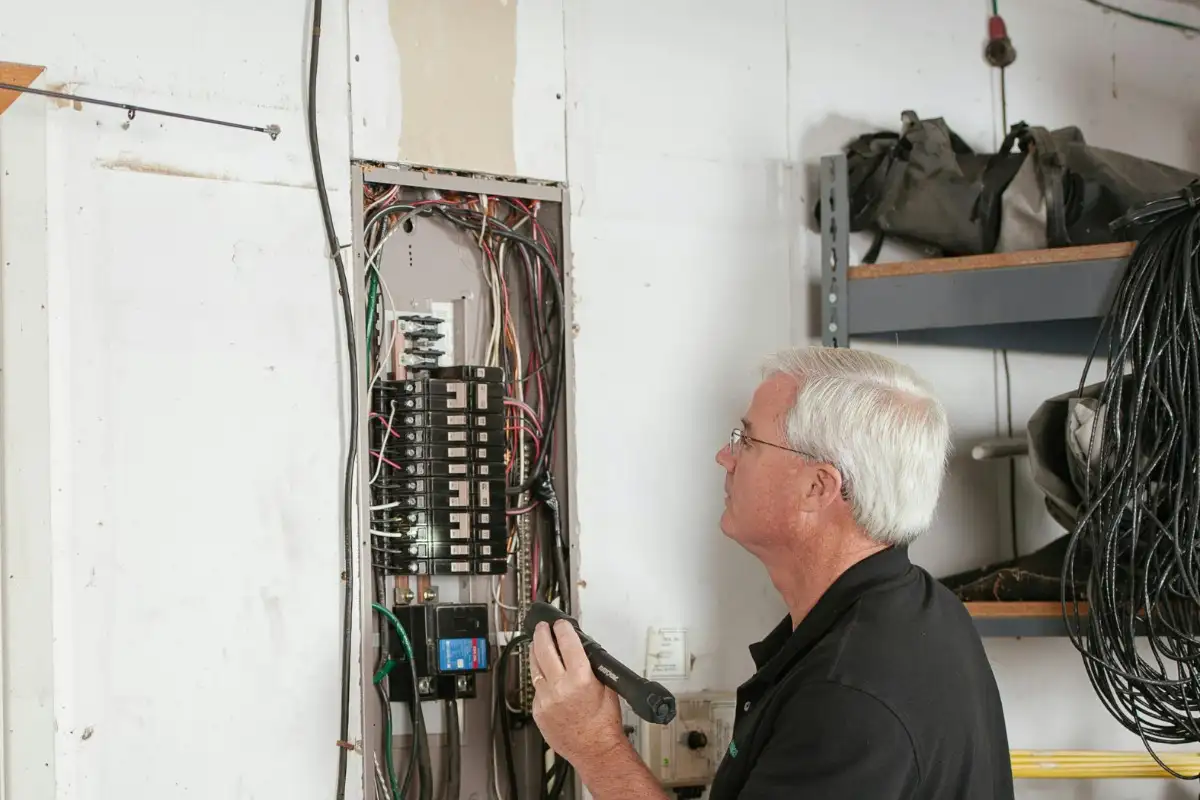
- Electrical system safety and capacity
- Plumbing conditions and potential leaks
- HVAC performance and age
- Fire safety and code compliance
- Signs of pest damage or mold
We go through all of this and more during our commercial property inspections for investors, so nothing important gets missed.
How Do Hidden Property Defects Drain Your Investment Returns?
Hidden defects are the silent killers of commercial real estate deals. A property can look perfect on the surface while hiding expensive problems underneath.
Think about a roof that looks fine from the parking lot. Up close, an inspector might find soft spots, worn flashing, or drainage issues that point to a replacement within two years. Roof replacements on commercial buildings often run into the tens of thousands of dollars, depending on size and material.
Electrical systems are another common trap. Older buildings sometimes have outdated wiring that doesn’t meet current code. Bringing that up to standard can cost far more than most buyers expect.
Without an inspection, you find these issues after you own the building. With one, you find them before you sign. That difference protects your capital and your returns.
Why Do Smart Investors Treat Inspections as Risk Reduction Tools?
Experienced investors don’t skip inspections to save a few hundred dollars. They know that reducing investment risks starts with knowing exactly what you’re buying.
A thorough inspection gives you leverage. If we find deferred maintenance issues or major repair needs, you can use that information to negotiate a lower price or ask the seller to fix the problems first. Either way, you come out ahead.
Lenders often require inspections too. Banks want to protect their investment just as much as you want to protect yours. A clean inspection report can speed up financing and build confidence with your lending partner.
What Building Systems Matter Most During a Commercial Inspection?
Not every system carries the same risk. Some components are far more expensive to repair or replace than others. Here’s a quick breakdown of what tends to matter most.
| Building System | Why It Matters | Typical Lifespan |
| Roof | Expensive to replace, prone to leaks | 15-25 years |
| HVAC | Costly repairs, affects tenant comfort | 15-20 years |
| Electrical | Safety risk, code compliance issues | 30-40 years |
| Plumbing | Leaks cause hidden water damage | 25-50 years |
| Foundation | Structural safety, very costly to fix | 50+ years |
When we complete a building condition assessment, we pay close attention to these systems first. They’re the ones most likely to turn into surprise expenses down the road.
How Does Repair Cost Estimation Protect Your Purchase Decision?
Knowing a problem exists is only half the battle. You also need to know what it will cost to fix. That’s where repair cost estimation comes in.
Our inspection reports don’t just list issues. We give you realistic cost ranges so you can plan your budget accurately. This helps you decide whether a property is still a good deal after accounting for repairs, or whether you should walk away.
Investors who skip this step often underestimate repair costs. They budget for paint and carpet, then get blindsided by a $60,000 HVAC replacement. A detailed inspection prevents that kind of financial shock.
What Should Be on Your Commercial Building Inspection Checklist?
Before buying any commercial property, make sure the inspection covers these essentials:
- Roof age, material, and current condition
- Foundation cracks or settling signs
- Electrical panel capacity and wiring age
- HVAC system age and maintenance history
- Plumbing pipe material and leak history
- Parking lot and exterior drainage
- Fire suppression and safety systems
- ADA compliance issues
Think of this as a starting point. Our team builds on it with a full walkthrough tailored specifically to your property type.
How LiteHouse Commercial Supports Your Investment Decisions
Buying commercial property is a big financial step, and we know that. That’s why we focus on commercial property due diligence that actually protects your money, not just paperwork that checks a box somewhere.
Our inspectors walk every inch of the property, from the roof all the way down to the mechanical room. We explain what we find in plain language, no confusing jargon thrown at you. And we make sure you’ve got what you need to negotiate with confidence, or walk away if the numbers just don’t add up.
Whether this is your first commercial property or you’re adding to a portfolio you’ve been building for years, we’re here to help protect your long-term asset value from day one.
Ready to protect your next commercial investment? Book a consultation with LiteHouse Commercial today and let our team give you the clarity you need before you buy.
Frequently Asked Questions
How much does a commercial building inspection typically cost?
It really depends on the size, age, and complexity of the property you’re looking at. A bigger building with more systems to go through naturally costs more to inspect properly. That said, it’s still a small price compared to what you’d end up paying if a problem slipped through unnoticed.
How long does a commercial property inspection take?
Most inspections run somewhere between two and six hours, depending on how big the building is and how many systems need checking. A large warehouse or a multi-tenant building might take up the whole day. We make sure we’ve got enough time set aside to go through every major system the right way.
Can I use an inspection report to renegotiate the purchase price?
Yes, and buyers do this all the time, whether it’s renegotiating price, asking for repairs, or requesting seller credits. Having a detailed report gives you actual documented proof of what’s wrong, which puts you in a stronger position at the negotiating table. Most sellers already expect this and price accordingly.
What happens if an inspector finds major structural issues?
If something major turns up, we document it clearly with photos and cost estimates so you know exactly how serious it is. From there, it’s up to you, negotiate repairs, adjust your offer, or walk away completely. That decision stays entirely yours.
Do lenders require a commercial property inspection before approving a loan?
A lot of commercial lenders will ask for a property condition assessment before they finalize any financing. It protects their investment, but honestly, it usually works in the buyer’s favor too. A clean report can even speed up loan approval and cut down on financing delays.