Buying a commercial property without a thorough inspection is one of the most expensive risks in real estate. The problems that drive cost are almost never visible in a listing. Structural deficiencies, aged mechanical systems, electrical installations that do not meet code, environmental issues, and roof conditions that will require significant near-term investment all live beneath the surface of a well-presented commercial building. Commercial building inspection steps exist to find those problems before you commit capital to a property that has undisclosed issues.
This guide walks through what a comprehensive inspection covers, so you know what to expect and what to insist on.
Here is what we will cover:
- Why commercial inspections differ from residential
- The initial walk-through and documentation review
- Structural inspection
- Roof and exterior systems
- Mechanical, electrical, and plumbing systems
- Life safety systems
- Environmental considerations
- The inspection report and how to use it
- How LiteHouse Commercial supports buyers
Why Commercial Inspections Differ from Residential
A commercial property inspection is not a scaled-up version of a home inspection. The scope, the systems involved, the applicable codes, and the stakes are all different.
Commercial buildings are more complex. They may house multiple tenants with different fit-out histories. The mechanical systems are more substantial. The roof may be a large flat commercial system rather than a pitched residential roof. The electrical capacity and distribution may involve switchgear and systems that require specialist assessment.
The real estate due diligence required for a commercial acquisition reflects that complexity. Commercial property inspection steps need to be thorough enough to identify issues that could affect the property’s value, your renovation budget, your timeline, and your risk profile.
Step 1: Documentation and Pre-Inspection Review
Before the property inspection begins, commercial property inspectors gather and review available documentation:
- Existing inspection reports from previous acquisitions
- Maintenance records for building systems
- Warranties still in effect on roof, HVAC, or other systems
- Any tenant improvement history
- Utility bills to identify consumption anomalies that may indicate system inefficiency
- Any notices, citations, or correspondence from local authorities regarding the property
This documentation review shapes the inspection priorities. It tells the inspector where to look harder and where specific verification is needed.
Step 2: Structural Inspection of Commercial Buildings
The structural inspection focuses on the primary load-bearing elements of the building: foundation, structural frame, floor systems, and load-bearing walls.
Structural inspection for commercial buildings covers:
- Foundation condition and any visible signs of movement, cracking, or water infiltration
- Column and beam conditions in steel or concrete frame buildings
- Masonry wall conditions including cracks, pointing condition, and evidence of movement
- Floor system integrity and any visible deflection or damage
- Roof structure from above and below where accessible
Structural issues are among the most expensive to remedy and among the most commonly obscured by cosmetic finishes. An inspector who can access crawl spaces, mechanical rooms, and roof decks gets more information than one who works only from finished surfaces.
Step 3: Roof System Assessment
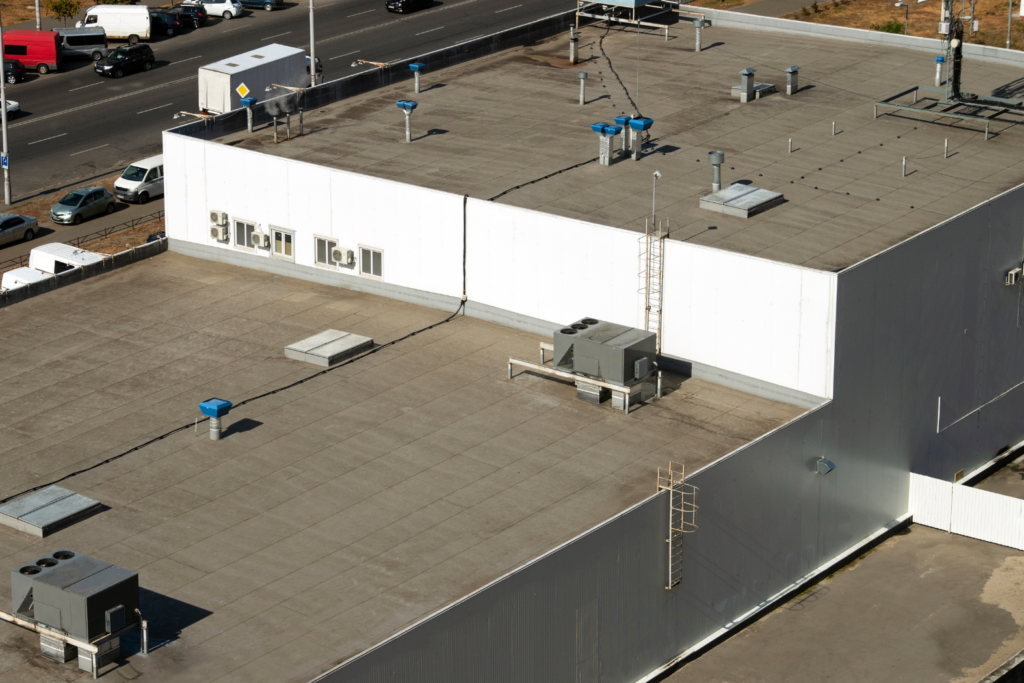
Commercial roofing is a significant capital item. A well-maintained flat commercial roof has a service life of 15 to 25 years depending on system type. A roof approaching end of life or with deferred maintenance issues can represent hundreds of thousands of dollars in near-term capital expenditure.
The roof inspection covers:
- Membrane condition (for flat or low-slope commercial roofs)
- Flashings, penetrations, and perimeter details
- Drainage and ponding patterns
- Any existing repairs and their quality
- Condition of rooftop mechanical equipment curbs and penetrations
A property condition assessment that does not give the roof adequate attention is not complete.
Step 4: Mechanical Systems (HVAC)
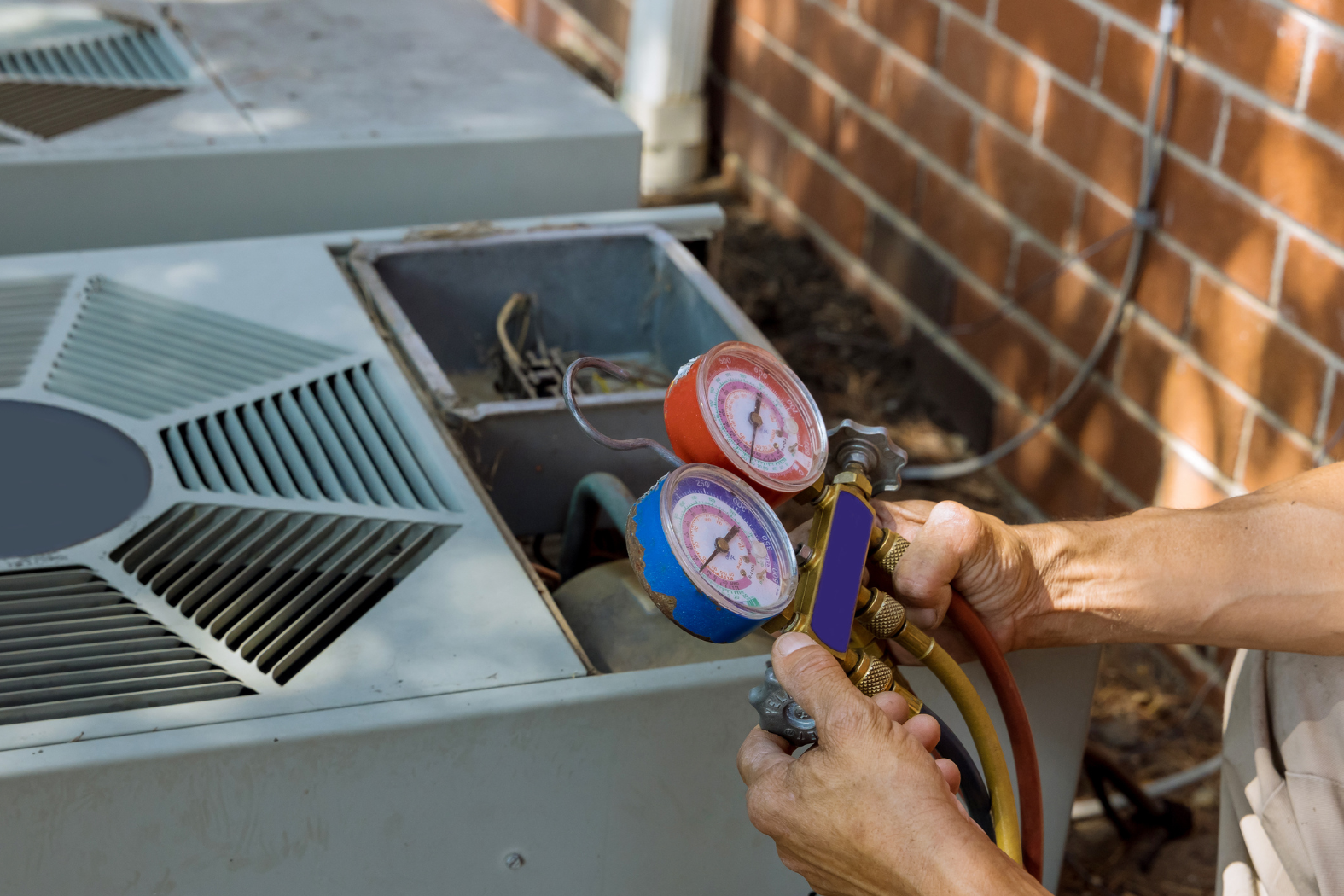
HVAC is one of the biggest ticket items in any commercial building. These systems are expensive to replace, and they give plenty of warning signs before they fail, if you know what to look for.
A good inspector will not just confirm the system is running. They will assess whether it has much life left and what it will cost you when it does not.
The building systems inspection for HVAC covers:
- Equipment age, make, model, and remaining expected service life
- Condition of rooftop units, chillers, cooling towers, and boilers as applicable
- Distribution systems including ductwork and piping
- Controls and building automation systems
- Maintenance records and service history
One thing comes up in commercial properties more often than it should: deferred HVAC maintenance. Sellers run systems until they are told to fix them. That means you need to know the current condition and what is likely coming in the next few years before you sign anything.
Step 5: Electrical Systems
Electrical issues in a commercial building are two problems in one. They are a safety risk, and they are a financial liability. Both matter.
The inspection here goes beyond checking whether the lights turn on. It looks at whether the system is safe, code-compliant, and capable of handling current and future demand.
The electrical inspection for commercial real estate covers:
- Main service and switchgear condition and age
- Panel and distribution board conditions
- Wiring systems and any outdated or non-compliant wiring
- Lighting systems and emergency lighting
- Available capacity for current and potential future tenant requirements
- Grounding systems and any fire or safety code compliance issues
If issues are found, they land in one of two categories: things that need to be fixed before anyone occupies the building, and things that will need investment soon. Both need to be on your radar before you close.
Step 6: Plumbing Systems
Plumbing in a commercial building can be straightforward or genuinely complex depending on what the building has been used for. Either way, the inspector needs to look at it properly.
The inspection is not just checking for drips. It is understanding what the system is made of, how old it is, and what condition it is in.
The commercial plumbing inspection covers:
- Supply piping material, condition, and age
- Drain, waste, and vent systems
- Water heater capacity, condition, and age
- Fixtures and their condition
- Any evidence of prior or current leaks
- Backflow preventers and other code-required devices
In older buildings, the pipe material itself is often the issue. Galvanized steel corrodes from the inside out. Clay tile drain lines crack and shift over time. These materials have known failure points, and knowing what is in the walls before you buy is far better than finding out during a renovation.
Step 7: Life Safety Systems
Life safety systems are not optional and they are not negotiable. They protect the people inside the building, and they are closely tied to your ability to legally occupy the space.
Deficiencies here are serious. Many require remediation before occupancy is permitted, which means they affect your timeline and your budget from day one.
The life safety inspection scope includes:
- Fire suppression systems including control valves, heads, and testing records
- Fire alarm systems including panel condition, device placement, and testing records
- Emergency egress including corridor width, exit signage, and door hardware
- Emergency lighting systems and exit lighting
If the inspection finds problems in this category, do not treat them as minor. Factor the remediation cost into your acquisition numbers and get a specialist’s opinion on scope and timeline before you proceed.
Step 8: Environmental Considerations
Environmental conditions are the part of a commercial inspection that can completely change a deal. A building that looks financially sound can have significant hidden costs once environmental issues are factored in.
These conditions affect financing, insurance, renovation scope, and in some cases, whether the building can be used for its intended purpose at all.
The environmental assessment as part of the building inspection process typically covers:
- Asbestos-containing materials in older buildings
- Lead paint in applicable vintage properties
- Mold conditions in areas with moisture history
- Underground storage tank presence or history
- Phase I Environmental Site Assessment findings if available
Getting clarity on the environmental profile before you commit is not optional. It is one of the most fundamental parts of pre-purchase commercial due diligence, and it is much cheaper to know before closing than after.
Step 9: The Property Inspection Report
Everything the inspector finds needs to end up in a clear, well-organized written report. That report does more than document conditions. It becomes the basis for your negotiation, your renovation planning, and your final decision on whether to move forward.
A good commercial inspection report includes:
- Clear descriptions of each system inspected
- Documented conditions with supporting photographs
- Prioritized findings that separate immediate safety issues, deferred maintenance, and near-term capital requirements
- Cost estimation ranges where applicable
- Recommendations for further specialist assessment where appropriate
Pay attention to how findings are prioritized. A report that lists everything with equal weight is harder to act on than one that clearly separates what needs attention now from what needs attention eventually. That distinction is where the real value of a thorough inspection lives.
How LiteHouse Commercial Supports Buyers
LiteHouse Commercial provides commercial property inspection steps and comprehensive property condition assessments for buyers and investors at all stages of acquisition. Our reports are detailed, clearly documented, and designed to support informed decision-making rather than just ticking a due diligence box.
If you are evaluating a commercial property and want a thorough understanding of what you are buying, get in touch with us.
FAQs
How long does a commercial property inspection typically take?
The duration depends significantly on the size and complexity of the property. A small commercial building might take 2 to 4 hours. A large multi-tenant complex or industrial facility can take a full day or more than a day. Complex properties may also require specialist sub-consultants for specific systems, which adds to the overall assessment timeline.
Who should attend the commercial property inspection?
The buyer or their representative should attend where possible. Having the opportunity to walk through the property with the inspector and ask questions in real time is significantly more valuable than reading the report afterward. Your real estate agent and any relevant technical advisors (architect, contractor) may also benefit from attending.
What happens if significant issues are found during a commercial inspection?
Significant findings can be used to renegotiate the purchase price, to require the seller to remediate specific issues before closing, or as grounds to withdraw from the transaction if the issues are material enough to change the investment thesis. The inspection report provides the documented basis for any of these conversations.