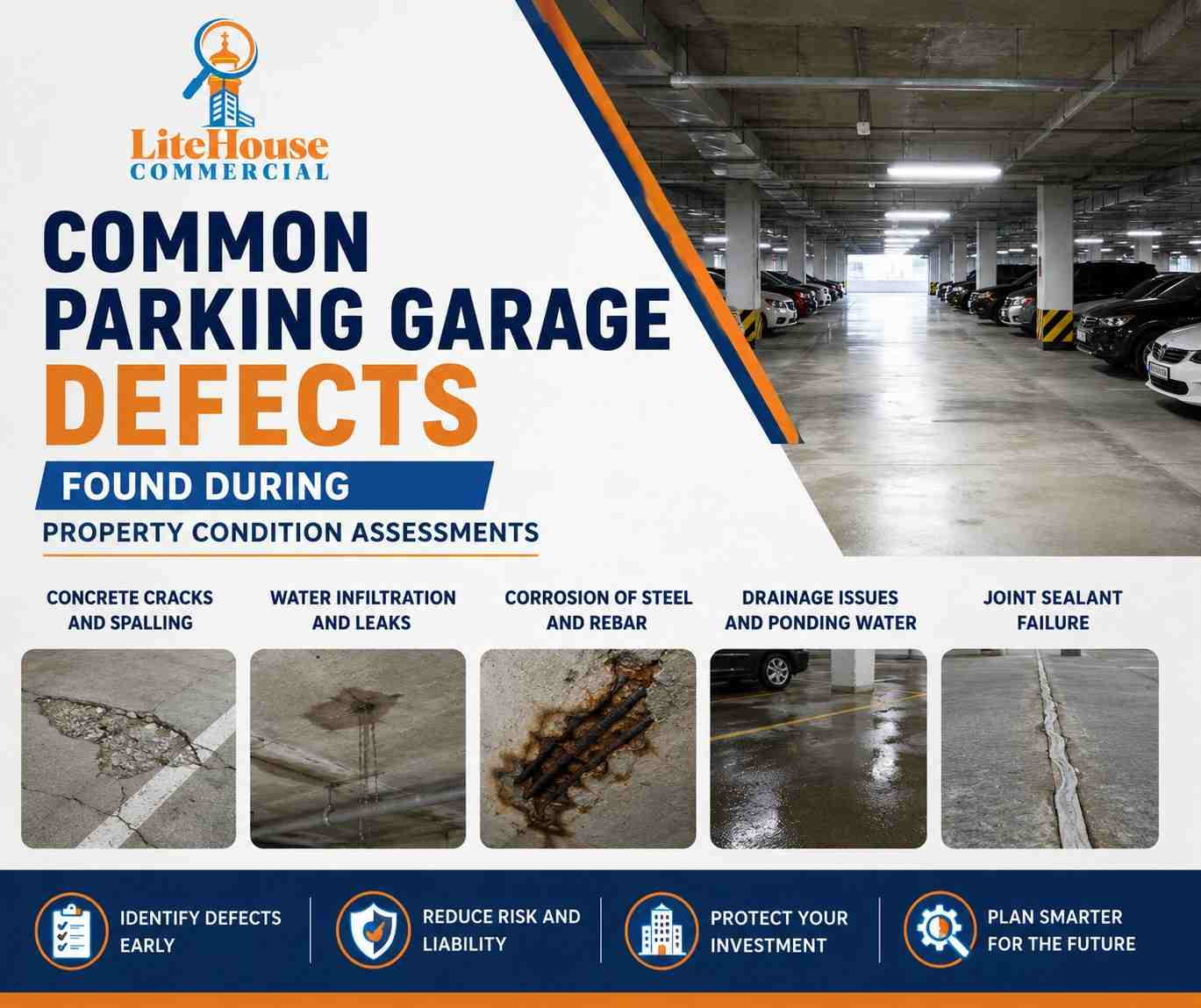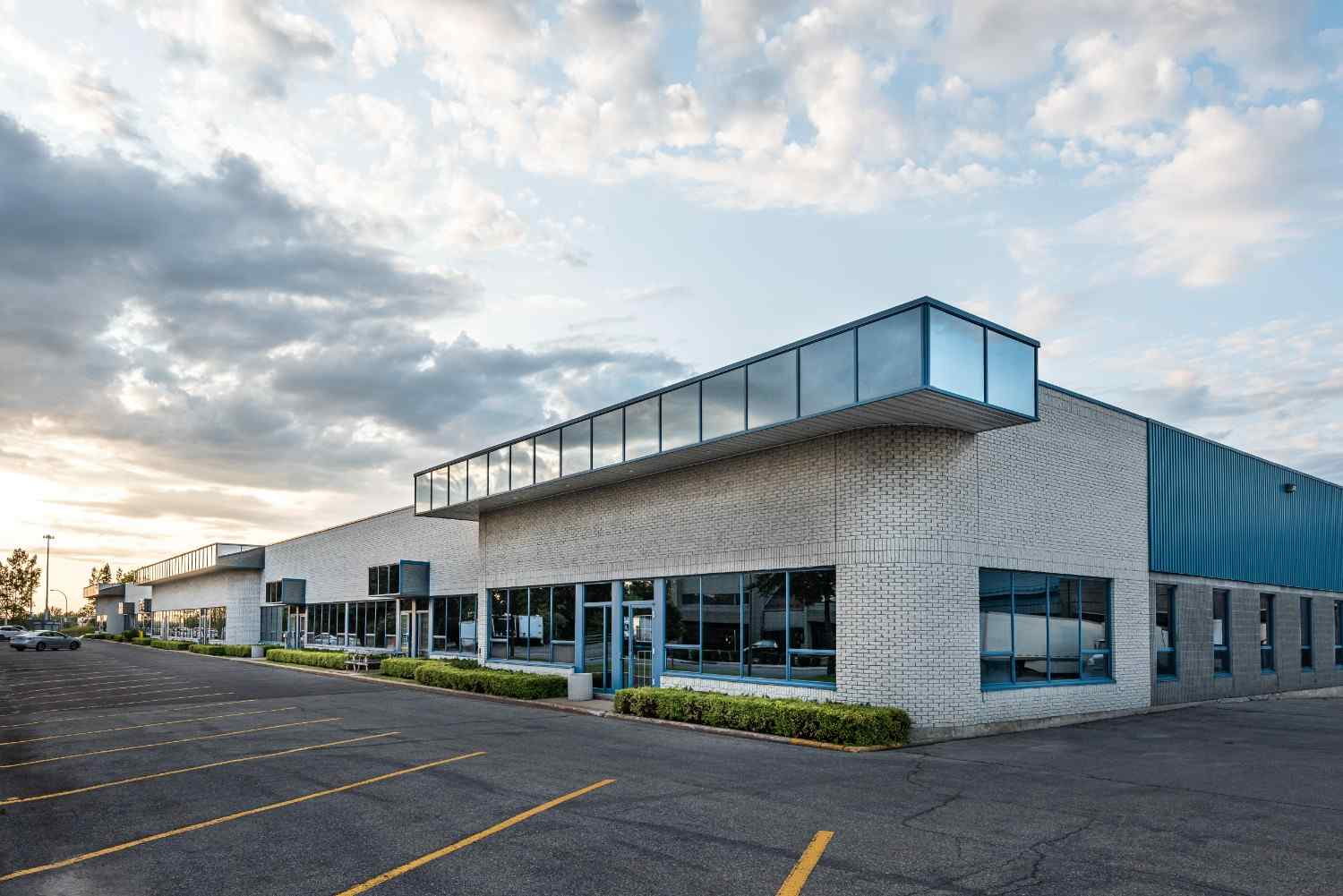
When it comes to investing in commercial real estate, understanding the true condition of a property is essential. A thorough inspection can reveal hidden issues, help you negotiate better terms, and ultimately protect your investment. Over the years, I have learned that mastering the commercial property inspection guide is a key step in making smart, informed decisions. This post will walk you through the essentials of commercial property inspections, offering practical advice and clear explanations to help you navigate this complex process.
Understanding the Commercial Property Inspection Guide
A commercial property inspection is more than just a quick walkthrough. It involves a detailed evaluation of the building’s structure, systems, and overall condition. The goal is to identify any existing or potential problems that could affect the property's value or safety.
Here are some critical areas typically covered in a commercial property inspection:
- Structural components: foundation, walls, roof, and floors
- Mechanical systems: HVAC, plumbing, and electrical
- Interior elements: walls, ceilings, floors, and fixtures
- Exterior features: parking lots, landscaping, and drainage
- Safety systems: fire alarms, sprinklers, and emergency exits
By following a comprehensive inspection guide, you can ensure no detail is overlooked. This approach helps you avoid costly surprises after closing the deal.

Why a Commercial Property Inspection Guide Matters
Using a structured guide during inspections brings several benefits. First, it standardizes the process, making sure every inspection covers the same critical points. This consistency is vital when comparing multiple properties or presenting findings to stakeholders.
Second, a detailed guide helps inspectors stay organized and efficient. It reduces the chance of missing important issues and speeds up reporting. For investors and lease agents, this means faster, more reliable information to base decisions on.
Finally, a well-documented inspection can serve as a negotiation tool. If defects or maintenance needs are uncovered, you can request repairs or price adjustments before finalizing the purchase or lease.
Key Steps in Conducting a Commercial Property Inspection
To master the commercial property inspection guide, it’s important to follow a clear, step-by-step process. Here’s a practical outline you can use:
- Pre-inspection research: Gather property documents, previous inspection reports, and maintenance records.
- Initial walkthrough: Get a general sense of the property’s condition and note any obvious issues.
- Detailed inspection: Examine each system and component carefully, using specialized tools if necessary.
- Photographic documentation: Take clear photos of problem areas and important features.
- Report preparation: Compile findings into a clear, concise report with recommendations.
- Review and follow-up: Discuss the report with relevant parties and plan any necessary actions.
Following these steps ensures a thorough and professional inspection that supports sound investment decisions.

How to Interpret Inspection Findings
Once the inspection is complete, understanding the results is crucial. Not all issues carry the same weight, so prioritizing repairs and maintenance is key.
- Minor issues: Cosmetic damage or small repairs that do not affect safety or function.
- Moderate issues: Problems that require attention soon but are not urgent.
- Major issues: Structural defects, safety hazards, or system failures that need immediate action.
For example, a cracked window might be a minor issue, while a leaking roof could be a major concern. Knowing how to categorize these findings helps you decide whether to proceed, negotiate, or walk away.
Additionally, consider the age and type of the property. Older buildings may have more wear and tear but could still be good investments if repairs are manageable.
Partnering with Experts for Reliable Assessments
While it’s possible to conduct a basic inspection yourself, partnering with experienced professionals is highly recommended. Certified inspectors bring specialized knowledge and tools that uncover hidden problems.
I always advise working with a trusted company that understands the local market and building codes. For those in the Greater Cincinnati and Dayton areas, LiteHouse Commercial Property Inspections offers thorough and accurate assessments. Their expertise helps clients make smart, informed investments by providing detailed reports and actionable recommendations.
Remember, a professional inspection is an investment that can save you thousands in unexpected repairs and legal issues.
Final Thoughts on Mastering Commercial Property Inspections
Mastering the commercial property inspection guide is about more than just checking boxes. It requires attention to detail, a systematic approach, and the right expertise. By following the steps outlined here and leveraging professional services, you can confidently evaluate any commercial property.
Whether you are purchasing, investing, or leasing, a comprehensive inspection protects your interests and supports sound decision-making. Take the time to understand the property’s condition fully, and you will be better positioned to negotiate favorable terms and avoid costly surprises.
Invest wisely, inspect thoroughly, and build a foundation for success in commercial real estate.