If you’re about to buy, lease, or manage a commercial building, you’re probably wondering what actually happens during a commercial building inspection. Good question to ask before you sign anything.
At LiteHouse Commercial, we walk buildings for a living. We check every major system, flag what’s broken, and hand you a report that tells you exactly what you’re getting into. No guesswork, no surprises after closing.
This guide breaks down what a commercial property inspection covers, why each piece matters, and how it protects your investment.
Why a Commercial Building Inspection Matters Before You Buy
A building can look great from the parking lot and still hide six-figure problems inside the walls. That’s the risk buyers face every day.
According to the National Association of Realtors, commercial property deals fall through most often due to financing issues and unresolved inspection findings. A thorough inspection catches those findings early, while you still have room to negotiate or walk away.
We’ve seen buyers save tens of thousands of dollars just by knowing what to ask the seller to fix first.
Structural Inspection: Checking the Building’s Bones
We start with the foundation, load-bearing walls, and framing. Cracks, settling, and water intrusion all point to structural stress that gets expensive fast.
Our inspectors also check for signs of prior repairs done without permits. Those repairs often hide bigger issues instead of fixing them.
HVAC System Inspection: Testing Heating and Cooling Performance
Commercial HVAC systems are costly to replace. A single rooftop unit can run $10,000 to $20,000 depending on building size, according to industry pricing data from HVAC.com.
We test airflow, check refrigerant levels, inspect ductwork, and review maintenance records. If a system is nearing the end of its life, we tell you that clearly in the report.
Electrical System Evaluation: Spotting Safety and Capacity Issues
Old wiring isn’t just inconvenient. It’s a fire hazard and a liability risk for any business operating inside the building.
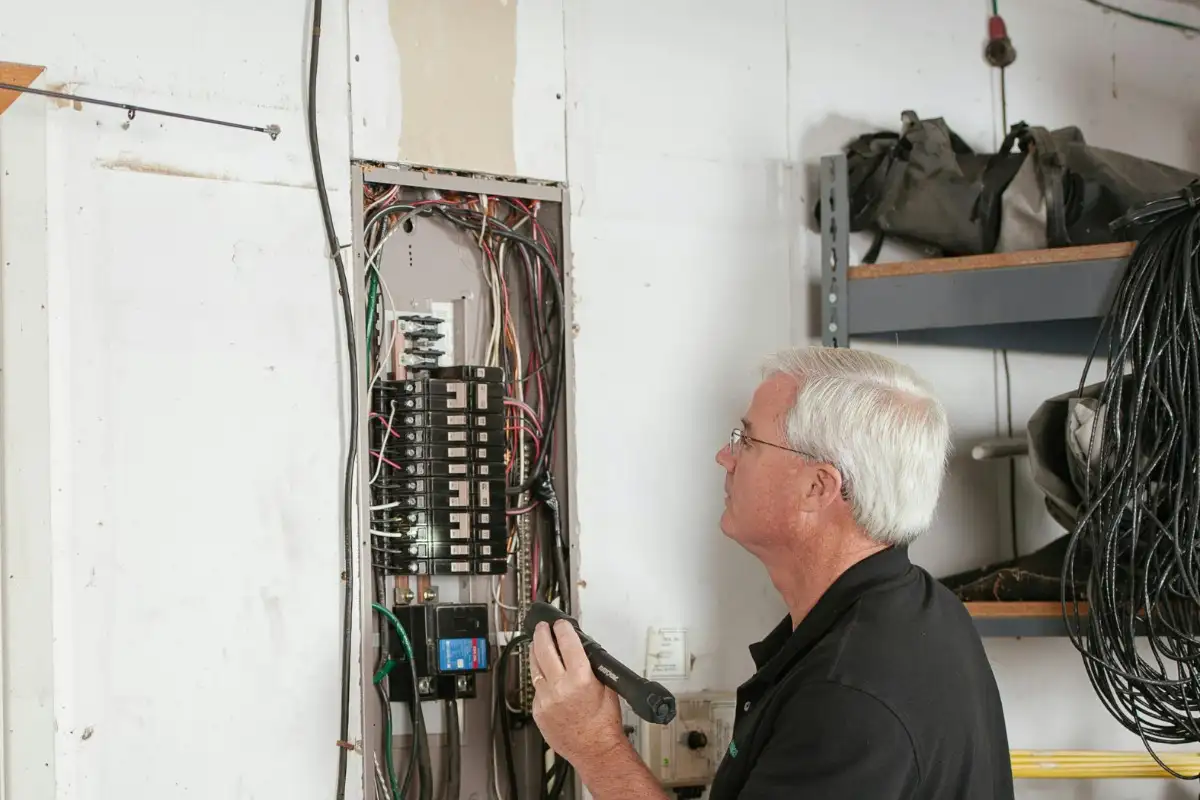
We inspect the electrical panel, check load capacity against current usage, and look for outdated wiring types like knob-and-tube or aluminum. We also confirm the system meets current safety code compliance standards.
Plumbing Inspection: Finding Leaks and Aging Pipe Systems
Plumbing problems love to hide. A slow leak behind a wall can run for months before anyone notices the damage.
Our team checks water pressure, inspects visible pipes for corrosion, tests drains, and reviews the water heater’s age and condition. We flag anything that looks like it’s nearing failure.
Roof Assessment: Estimating Remaining Life and Repair Costs
Commercial roofs are one of the priciest repairs a property owner faces. Replacement can cost anywhere from $5 to $15 per square foot, according to Roofing Contractor magazine.
We climb up, walk the roof, and check membrane condition, drainage, flashing, and signs of ponding water. Then we give you a realistic estimate of how many years the roof has left.
Building Safety Evaluation: Reviewing Fire and Life Safety Systems
Fire suppression systems, exit signage, and emergency lighting all need to work when it counts. We test these systems and confirm they meet current code.
We also check accessibility features and note anything that could create liability for the new owner.
Property Condition Assessment: Putting It All Together
Once every system is checked, we compile everything into one clear report. You’ll see photos, findings, and a priority list of maintenance issues identification, so you know what needs attention now versus later.
This report becomes your negotiation tool. Buyers use it to request repairs or price reductions. Owners use it to plan maintenance budgets years in advance.
How LiteHouse Commercial Makes the Process Easy
We know commercial building inspections can feel overwhelming, especially if this is your first commercial purchase. That’s why we walk you through every finding in plain language, not just technical jargon.
Our reports are built for real decisions. You’ll know what’s urgent, what can wait, and what it will cost to fix. We’re not here to scare you. We’re here to give you the facts so you can move forward with confidence.
Whether you’re buying your first commercial building or your tenth, we treat every inspection like it’s the only one that matters.
Frequently Asked Questions
How long does a commercial building inspection take?
Most commercial building inspections take between 3 and 8 hours, depending on the property’s size and complexity. Larger buildings with multiple systems, tenants, or floors take longer. We schedule enough time to inspect every major system thoroughly instead of rushing through the walkthrough.
Can a commercial building inspection help me negotiate a lower price?
Yes, inspection findings give buyers leverage to request repairs or price reductions before closing. When an inspection uncovers roof damage, HVAC failure, or electrical issues, that documentation supports a stronger negotiating position with the seller.
What happens if the inspection finds major problems?
If we find major problems, we document them clearly with photos and repair estimates so you can decide your next step. Buyers often use these findings to renegotiate price, request seller repairs, or walk away from a deal that no longer makes financial sense.