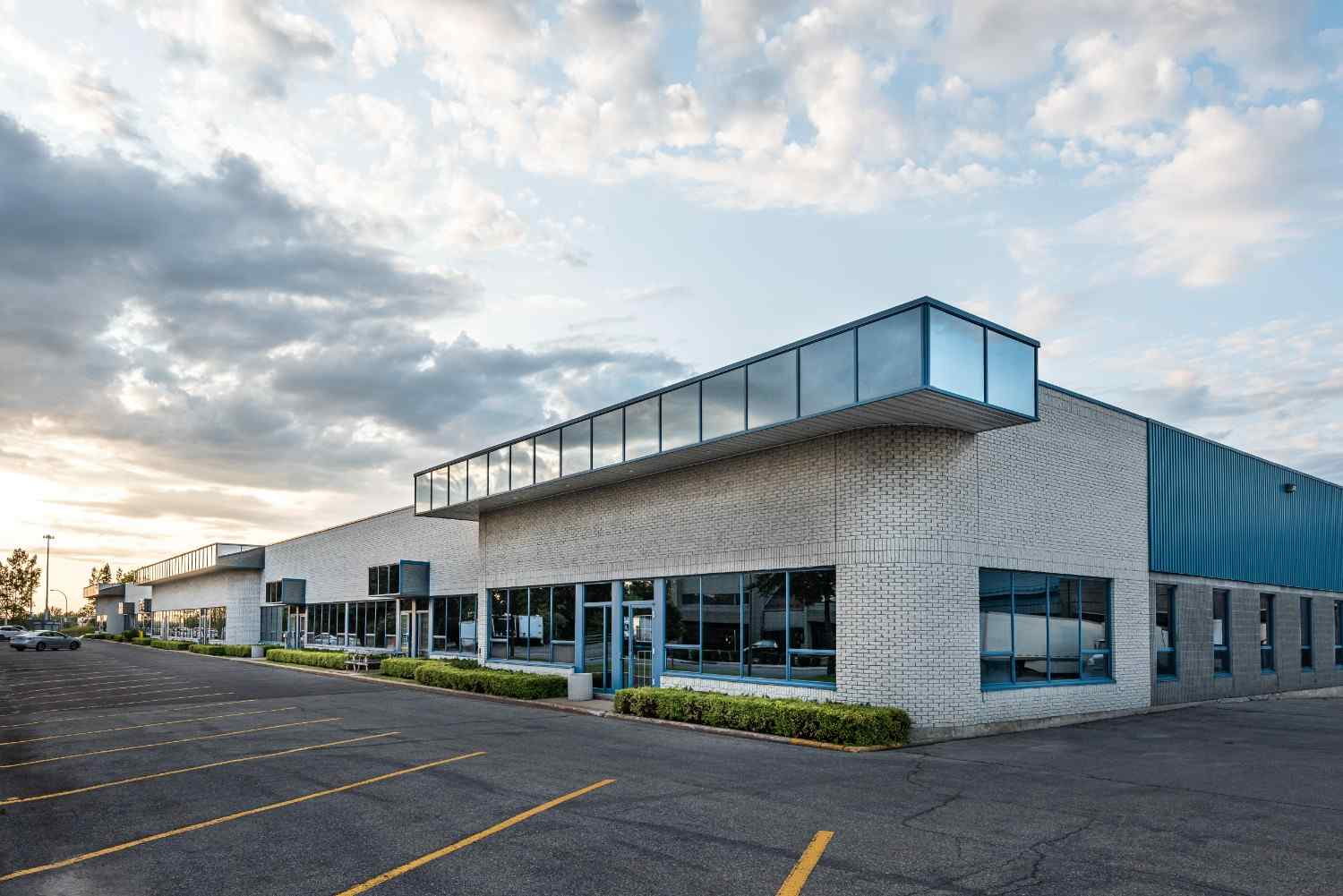
Parking structures take a beating every single day. Cars, weather, road salt, and constant vibration all add up, which is exactly why parking garage defects inspection has become such a critical part of property management. At LiteHouse Commercial, we've walked various parking structures when assessing property conditions, and the same handful of issues show up again and again, often before owners even realize there's a problem.
Catching these defects early saves real money. A crack you fix today for a few hundred dollars can turn into a six-figure structural repair if it's ignored for a few years.
What Is a Parking Structure Condition Assessment?
A parking structure condition assessment is a detailed inspection that evaluates the structural, mechanical, and safety condition of a parking garage. It typically includes visual inspection, moisture testing, and sometimes destructive or non-destructive testing of the concrete and steel components.
We perform these assessments for owners buying new properties, investors doing due diligence, and facility managers who just want to know where their structure stands. The goal is always the same: give you a clear, honest picture of what's happening beneath the surface.
Concrete Spalling and Delamination: The Most Common Defect
Spalling happens when concrete chips, cracks, or flakes away, usually because corroding rebar underneath is expanding and pushing the surface apart. It's the single most common defect we find during parking garage inspections, especially in structures over 15 years old.
Delamination is the sneaky cousin of spalling. The concrete looks fine on the surface, but it's actually separating in layers underneath. We use chain drag and hammer sounding tests to find these hidden weak spots before they become visible hazards.
Corroded Rebar and Post-Tension Cable Failures
Water and road salt work their way into concrete over time, and once they reach the steel reinforcement, corrosion starts. Rust expands, which cracks the surrounding concrete and weakens the structural integrity of the slab or beam.
Post-tension cables are even more serious. These cables hold significant tension, so a failure can be sudden and dangerous. We always flag any signs of post-tension issues as high priority in our reports, since these repairs need specialized contractors and quick attention.
Cracked and Failing Expansion Joints
Expansion joints let the structure move with temperature changes without cracking the concrete. When these joints fail or wear out, water gets straight through to the levels below, which accelerates corrosion and staining on lower decks.
We see failed expansion joints constantly, especially in garages built before better joint materials became standard. Replacing a joint system early is far cheaper than repairing the water damage it eventually causes.
Drainage Problems That Speed Up Structural Damage
Poor drainage is behind more parking garage maintenance issues than people expect. Clogged drains, incorrect slopes, or missing scuppers mean water pools instead of draining away, and that standing water speeds up every other type of deterioration on this list.
We check drainage patterns closely during every commercial property inspection service we perform. Fixing a drainage issue often costs a fraction of what it would cost to repair the corrosion damage it eventually causes.
Deteriorating Coatings and Waterproofing Membranes
Traffic coatings and waterproofing membranes are your parking garage's first line of defense. Once they wear thin or crack, water gets straight into the concrete, and that's when the real damage starts.
These coatings typically need reapplication every 7 to 10 years depending on traffic volume and climate. We always note coating condition in our reports because it's one of the easiest defects to catch and fix before it becomes a bigger structural concern.
Signage, Lighting, and Life-Safety Issues Inspectors Flag
Structural defects aren't the only thing we look for. Faded signage, broken lighting, and non-functioning fire safety equipment all create liability risks for property owners, and they're surprisingly common in older structures.
Good lighting also affects tenant and visitor safety perception, not just code compliance. We document these items alongside structural findings so you get a complete picture, not just a concrete report.
How LiteHouse Commercial Helps
Our team specializes in giving property owners and investors a clear, honest look at their parking structures when conducting property condition assessment. We combine visual inspection with testing methods that catch hidden problems, then deliver a report that prioritizes issues by urgency and cost.
Whether you're buying a property, planning a renovation, or just trying to stay ahead of repairs, our assessments give you the data you need to make confident decisions instead of guessing. We've helped owners avoid surprise repair bills simply by catching problems while they were still small and manageable.
FAQs
How often should a parking garage be inspected?
The typical rule of thumb is a full structural inspection every 3 to 5 years, with simpler visual checks happening every year in between. If the garage sits near the coast or in an area that uses a lot of road salt in winter, you'll want to inspect more often since salt exposure speeds up corrosion quite a bit.
What causes concrete spalling in parking structures?
It comes down to moisture working its way in and reaching the steel rebar buried inside the concrete. Once that rebar starts rusting, it expands, and there's just not enough room for it in there. That expansion cracks the concrete around it and eventually pushes it apart, which is why you end up seeing chips, flaking, and sometimes exposed rebar poking through.
Are parking garage repairs expensive compared to prevention?
Prevention wins by a wide margin. Sealing up cracks and fixing drainage issues early might run a few thousand dollars. Let those same problems sit for a few years, though, and you could be looking at structural repairs that cost tens or even hundreds of thousands of dollars.
What should buyers look for during due diligence on a parking structure?
It's worth asking for a recent condition assessment that covers structural integrity, drainage, waterproofing, and the life-safety systems. That gives you a clear picture of any deferred maintenance and lets you factor those repair costs into your negotiations before the deal closes, rather than getting surprised afterward.
Can a damaged parking garage still be safe to use?
Sometimes, yes. Minor cosmetic wear generally isn't a safety issue. But if you're seeing active spalling, exposed rebar, or cracked post-tension cables, that's a different story and could point to real structural problems underneath. The only way to know for sure whether something needs urgent attention or can wait for routine maintenance is to get a qualified inspection.