A lot of buyers skip due diligence step when investing in a commercial property because they are tired, they are excited, or they trust that everything will work out. Sometimes, it does. Sometimes, it does not and the deals that go sideways usually do so because someone did not verify the right things before closing. That is why having a clear, complete
real estate due diligence checklist matters. It keeps you organized, protected, and gives you confidence when you sign.
Whether you are a seasoned investor or stepping into your first commercial deal in Cincinnati, our
commercial property inspection services in Cincinnati are a key part of making sure nothing important gets missed.
Here is what we will cover:
- Why a due diligence checklist changes everything
- Key documents you need to review
- Physical inspections that must happen before you close
- Legal and title checks that protect your ownership
- Financial and zoning risk checks
- Environmental and liability flags to watch for
- How LiteHouse Services Group LLC supports your due diligence in Cincinnati
Why a Due Diligence Checklist Changes Everything
Buying commercial property without a checklist is like grocery shopping when you are starving. You grab things fast, miss things, and regret it later. A checklist slows you down in the best way. It makes sure you review every critical area before the deal becomes final.
The
investment due diligence process covers four main areas: 1) Documents, 2) Physical condition, 3) Legal standing, and 4) Financial risk.
When you work through each one carefully, you walk away knowing exactly what you are buying. That knowledge is worth more than any discount a seller might offer you.
Part 1: Key Documents You Must Review
Before you ever set foot on the property, you need paperwork. Lots of it. Here is what to gather and review:
Purchase and sale agreement. Read every line. Know the contingencies, the timelines, and what happens if issues come up during inspection.
Title report. This shows who legally owns the property and flags any liens, judgments, or encumbrances attached to it. Do not skip this.
Survey documents. These confirm the property boundaries, easements, and any encroachments from neighboring properties.
Lease agreements. If tenants currently occupy the building, you need to understand the terms of every lease. Know when leases expire, what rents are, and what obligations transfer to you as the new owner.
Seller disclosures. Cincinnati sellers are required to disclose known issues. Read these carefully. Then verify them independently through inspection.
Utility bills and operating expenses. Look at the last two to three years of actual costs. Compare them to what the seller projects. Numbers should line up.
Part 2: Physical Property Inspections That Must Happen
This is where
commercial property inspection services in Cincinnati help. A physical property inspection gives you a clear, unbiased look at the condition of the building. It is not optional. It is essential.
Here is what a thorough
commercial property evaluation should cover:
Structural integrity
Foundations, load-bearing walls, and framing. You need to know if the building stands on solid ground, literally.
Roof condition
Age, material, current condition, and estimated remaining lifespan. A roof near the end of its life is a major cost to plan for.
Mechanical systems
HVAC, plumbing, and electrical. Check ages, functionality, and any deferred maintenance.
Interior conditions
Ceilings, floors, walls, doors, and windows. Look for water damage, staining, mold, or signs of pest activity.
Exterior and site
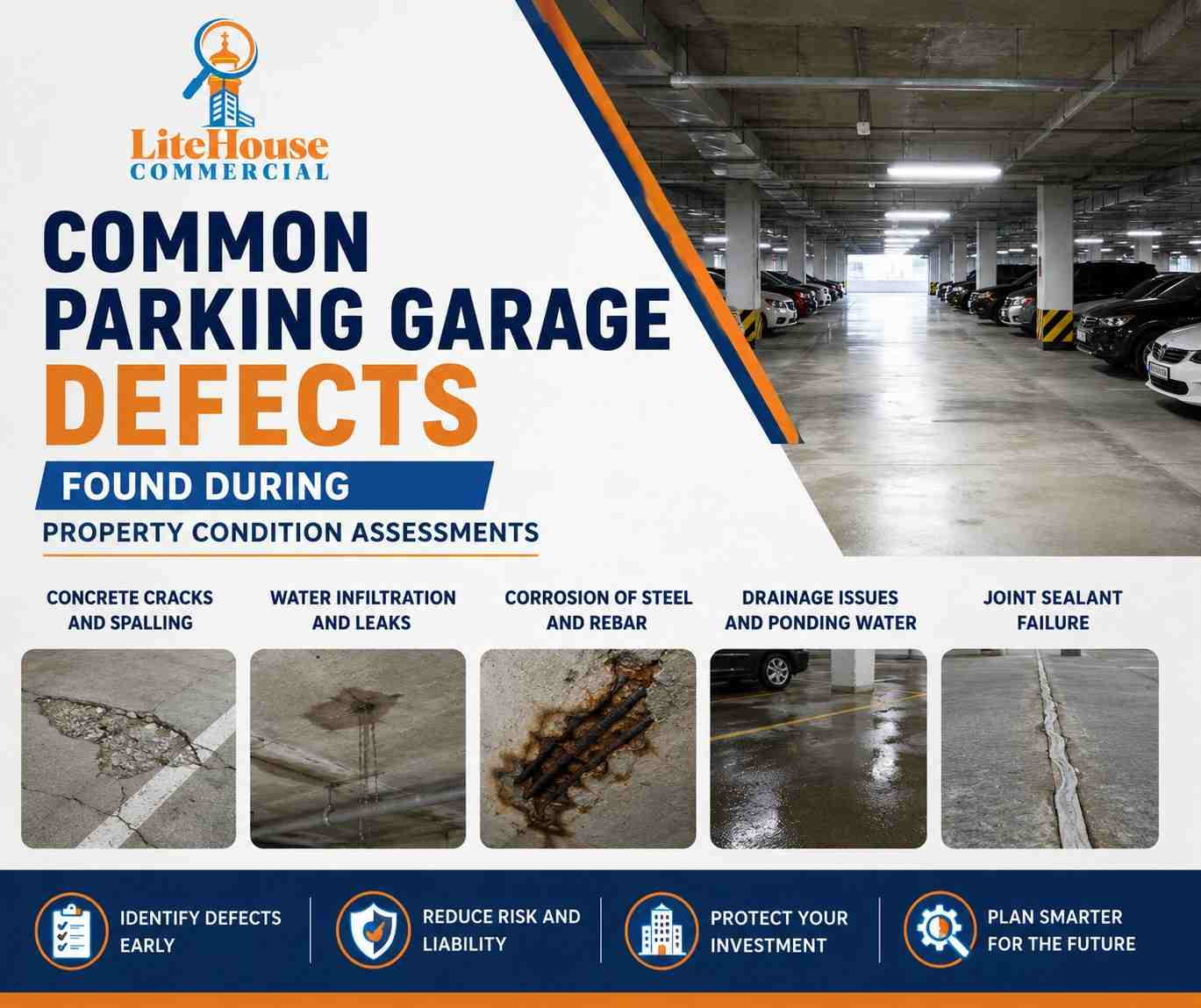
Parking lots, drainage, landscaping, exterior walls, and signage structures.
ADA compliance
Commercial buildings must meet accessibility standards. Non-compliance can bring costly required upgrades.
LiteHouse Services Group LLC inspects commercial properties across Cincinnati, including properties in Blue Ash, Kenwood, downtown, Milford, and surrounding areas. Their reports give you clear findings you can actually use in negotiations.
Part 3: Legal and Title Verification
Legal verification sounds dry. But it protects everything you are about to invest.
The
property legal verification process includes several steps that your legal advisor or real estate attorney should walk you through.
1.) Title search
A title company reviews the full ownership history of the property. They flag anything that could cloud your ownership or limit your rights.
2.) Title insurance
Get a title insurance because it protects you if someone later challenges your ownership based on something that was missed in the title search.
3.) Zoning verification
Confirm the property is zoned for your intended use. A building that looks perfect for your business may sit in a zone that prohibits that type of use. Cincinnati's zoning codes vary by district, so verify early.
4.) Permits and code compliance
Pull the permit history for the property. Make sure all past renovations and improvements were properly permitted and passed inspection. Unpermitted work can become your problem the moment you close.
5.) Deed restrictions and covenants
Some properties carry restrictions on how they can be used or modified. Know these before you buy.
Part 4: Financial Risk Checks
A thorough
property risk assessment includes a close look at the financials attached to the property.
Here is what to review:
Current rent rolls – If the property has tenants, verify actual rents against what the seller reports. Visit the property. Confirm tenants are actually occupying the spaces they are paying for.
Vacancy history – A property with frequent vacancies tells you something about demand, condition, or management challenges.
Tax history – Review property tax bills for the last three to five years. Note any appeals or pending reassessments that could change your carrying costs.
CAP rate and NOI – Calculate the capitalization rate and net operating income based on verified income and expense numbers. Not the seller's projections. Verified numbers.
Outstanding liens and assessments – Your title search should catch these, but double-check. Special assessments from the city or homeowners association can transfer to you at closing.
Part 5: Environmental and Liability Flags
This section protects you from costs that can dwarf the purchase price itself.
Phase I Environmental Site Assessment.
This review looks at the history of the property and surrounding land to identify any potential contamination. It is a standard part of commercial due diligence and lenders often require it.
Asbestos and lead paint
Older buildings in Cincinnati, especially those built before 1980, may contain hazardous materials. Know what is there before you close.
Underground storage tanks
If the property ever housed a gas station, dry cleaner, or industrial operation, check for underground tanks. Remediation costs can be severe.
Flood zone status
Check FEMA flood maps. Properties in flood zones require additional insurance and face potential development restrictions.
Mold and moisture
Visible or hidden moisture problems often show up in the inspection report. Take them seriously. Mold remediation in a large commercial building is not cheap.
LiteHouse Services Group LLC can help you identify the physical flags during their inspection that might point you toward the need for further environmental testing.
How LiteHouse Services Group LLC Supports Your Due Diligence Process
If you are going through the
real estate due diligence process on a Cincinnati commercial property, LiteHouse Services Group LLC brings the inspection expertise you need as part of your broader review.
We inspect commercial properties of all types: office buildings, retail spaces, multi-family properties, warehouses, and mixed-use buildings. Our reports are clear, organized, and actionable. You know exactly what you are getting into.
Our commercial property inspectors cover the full Cincinnati metro area and communicate findings in plain language. You get the full picture without having to decode technical jargon on your own.
When you pair a thorough LiteHouse inspection with solid legal review, financial analysis, and title work, you complete the full
commercial property evaluation process with confidence.
Final Thought: Protect the Deal Before You Sign It
Due diligence is not about finding reasons to walk away. It is about making sure you walk in with full knowledge of what you are taking on.
When you work through a complete property due diligence checklist, you know the condition of what you are buying. You know the legal standing. You understand the risks, and you are ready to negotiate from a position of strength.
Commercial property inspection services in Cincinnati from LiteHouse Services Group LLC give you one of the most important pieces of that picture. A clear, professional look at the physical condition of your property, before you close.
Do not skip the checklist. Do not rush the process. You are making a big decision. You deserve to make it with everything you need to know.
Frequently Asked Questions
Q: How early in the buying process should I start due diligence?
A: Start as soon as your offer is accepted and you enter into a purchase agreement. Most contracts include a due diligence period, typically ranging from 30 to 60 days for commercial properties. Use every day of that window. The earlier you start gathering documents and scheduling inspections, the more time you have to review findings and negotiate if issues come up.
Q: What happens if property due diligence uncovers serious problems?
A: You have options. Depending on your contract terms, you may be able to renegotiate the price, request property repairs or credits before closing, extend the due diligence period to get more information, or walk away entirely and recover your earnest money. Talk to your real estate attorney before making any moves. They can guide you based on the specific language in your contract.
Q: Do I still need due diligence if I am buying a property as-is?
A: Absolutely yes. An as-is purchase means the seller will not make repairs. It does not mean you skip finding out what condition the property is in. In fact, due diligence matters even more in as-is deals because you take on full responsibility for everything after closing. Know exactly what you are taking on before you agree to those terms.
Related service: LiteHouse Commercial provides Phase I Environmental Site Assessments across Ohio, Kentucky and Indiana.