You've found a commercial property that looks promising. Before you sign anything, you need an inspection. And pretty quickly, you start wondering what it's actually going to cost. Commercial building inspection costs vary widely, and that range isn't random. Several specific factors drive the price up or down, and understanding them helps you budget accurately and avoid surprises.
In this blog, we'll cover:
- What factors most affect inspection costs
- What's typically included (and not included) in a standard inspection
- Why cost shouldn't be the only factor you consider
- What to ask before you hire an inspector
Why Commercial Inspection Costs Vary So Much
A residential home inspection has a relatively predictable price range. Commercial inspections are different.
You're dealing with more variables: building size, age, complexity of systems, intended use, and the scope of what's being assessed. A small retail unit and a multi-story office building are both "commercial properties," but the inspections look completely different.
That's why commercial building inspection costs in the Cincinnati and Dayton area can range from a few hundred dollars for a simple property to several thousand for a large, complex building.
Key Factors That Affect Commercial Inspection Pricing
- Property Size
This is the most straightforward factor. Larger buildings take more time to inspect. More square footage means more systems, more areas to assess, and a longer inspection day.
Most commercial inspectors charge based on square footage, either directly or as part of their overall quote.
- Building Age and Condition
Older buildings have more potential issues. Systems may be outdated or have had multiple repairs over the years. Inspecting an older commercial property takes more time because there's more to examine carefully.
A recently constructed building with modern systems will generally be quicker and less complex to assess.
- Building Type and Use
A warehouse, a restaurant, a medical office, and a retail storefront all have different systems and requirements. A restaurant kitchen has commercial ventilation, grease management, and specific plumbing setups. A medical facility may have specialized HVAC and plumbing. The more complex the building's use, the more thorough the commercial inspection services need to be.
- Number of Systems Included
A standard property inspection covers the building envelope, structural elements, roofing, electrical, plumbing, HVAC, and visible interior components. But some building types require additional assessment of:
- Elevators or lifts
- Fire suppression systems
- Commercial kitchen equipment
- Environmental hazards (asbestos, lead paint, mold)
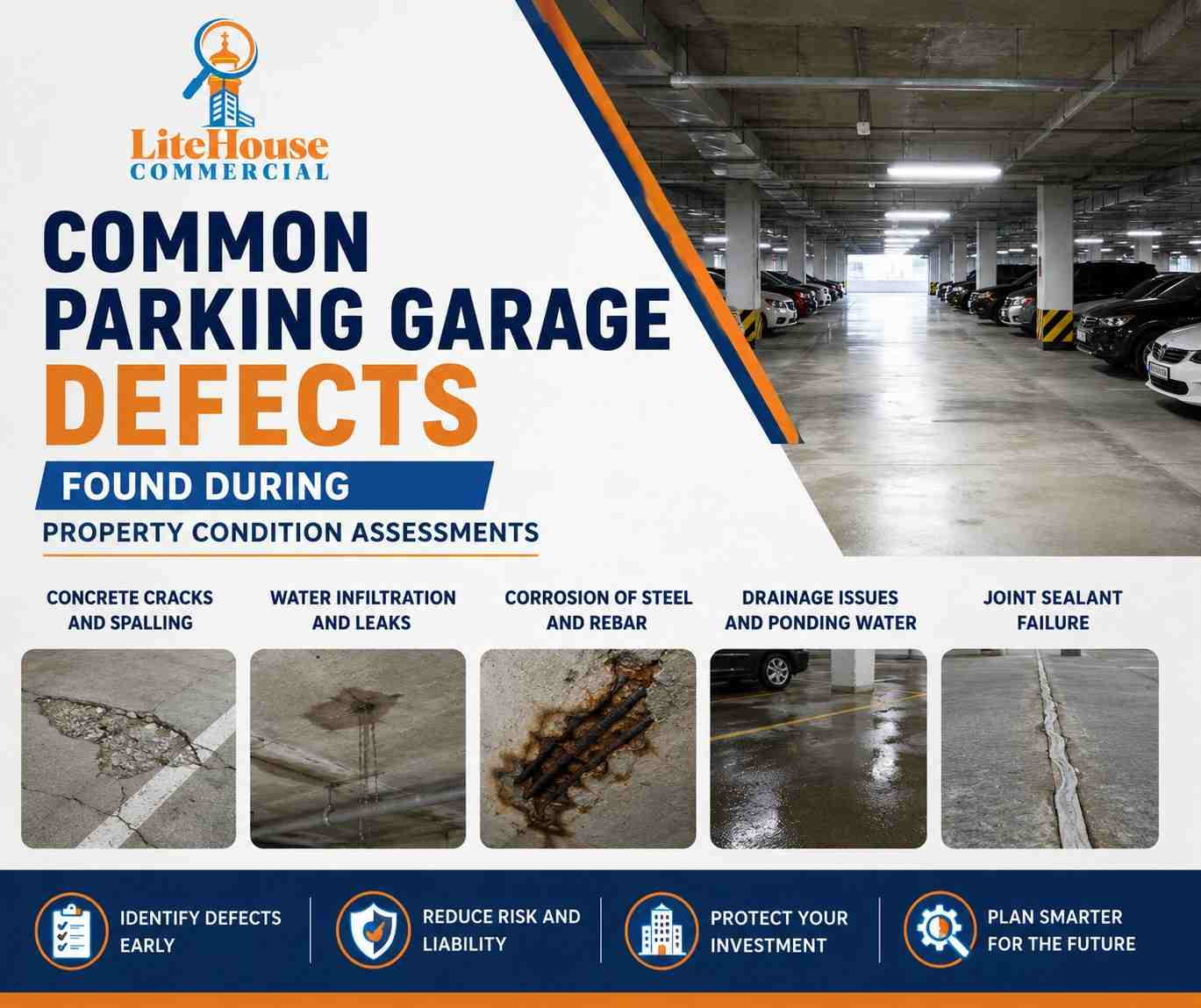
- Parking structures
Each additional system or specialist report adds to the overall building inspection fees.
- Specialist Subcontractors
Some elements of a commercial inspection require licensed specialists, not just general inspectors. Electrical systems beyond a certain complexity, structural engineering assessments, or environmental testing each require their own professionals.
When your inspection scope includes these, you're effectively paying for multiple expert opinions. That adds cost but also adds value for thorough property due diligence inspection.
- Location and Access
Properties that are difficult to access, have multiple levels, require equipment like lifts or scaffolding, or are in remote locations may carry additional charges. Inspection of roof areas, crawlspaces, or mechanical areas with limited access takes more time and sometimes requires specialized equipment.
- Turnaround Time
If you need your inspection report quickly, some inspectors charge a rush fee. Standard turnaround is typically two to three business days. If your transaction timeline requires faster delivery, factor that into your cost conversation upfront.
What a Commercial Building Inspection Includes
A standard commercial building inspection covers:
- Structural elements: foundation, framing, load-bearing walls
- Roofing: condition, drainage, flashing
- Exterior: cladding, windows, doors, parking areas
- Electrical systems: panels, wiring, outlets, lighting
- Plumbing: supply lines, drainage, fixtures
- HVAC systems: heating, cooling, ventilation
- Interior: walls, floors, ceilings, stairways
Structural inspection costs may be higher if the building requires engineering-level assessment beyond a general inspection.
Why the Cheapest Inspection Isn’t Always the Best Option
It’s easy to focus on price when comparing inspection quotes. But choosing the lowest-cost option can sometimes end up costing more later. If an inspection overlooks something serious, like structural problems, a failing HVAC unit, or electrical issues, those repairs can become expensive very quickly.
For commercial properties, it’s usually better to work with an inspector who has experience with this type of building. Commercial inspections often involve more complex systems than residential ones, so the inspector’s background matters.
It’s also worth asking what the inspection actually includes. Some services only cover certain areas of the property. Getting a clear explanation of what’s included in the fee helps you understand exactly what you’re paying for and avoids surprises later.
How LiteHouse Commercial Can Help
LiteHouse Commercial carries out commercial building inspections for properties in the Cincinnati and Dayton area. The team focuses on providing straightforward pricing and detailed inspection reports, along with experience working on different types of commercial buildings.
Before moving ahead with a commercial purchase, an inspection can help you get a clearer picture of the property’s condition. LiteHouse Commercial’s inspectors look over the building so you know what you’re dealing with before making a final decision.
FAQs
Is a commercial inspection required before buying a property?
In most cases, no. The law usually doesn’t require one. That said, many buyers still choose to have an inspection done before finalizing a purchase. Lenders sometimes ask for a property condition report as part of the loan process, especially for commercial deals. Even when it’s not required, an inspection can reveal issues that aren’t obvious during a regular viewing, which can save a buyer from unexpected repair costs later.
How long does a commercial building inspection take?
It depends on the size and layout of the building. A small retail space may only take a couple of hours to look through. Larger properties, especially multi-story buildings, can take most of the day or even require more than one visit. Inspectors usually give an estimate ahead of time once they know the type of building they’ll be assessing.
Can I attend the commercial inspection?
Yes, and many buyers prefer to do that. Being there while the inspector walks through the property gives you a chance to see things firsthand. You can ask questions along the way and get a better understanding of any issues that come up. That can often be more helpful than only reading about it later in the written report.