Every major system in a commercial building, such as the roof, the HVAC, the electrical panels, the elevators, the plumbing infrastructure, is on a clock. Understanding where each system sits on that clock is genuinely valuable information for owners, investors, and property managers.
Remaining useful life inspection is the practice of estimating how much functional life is left in a building's major systems and components. It turns observations made during an inspection into capital planning information, the kind that helps decision-makers avoid budget surprises and prioritize spending intelligently.
At LiteHouse Commercial, RUL assessment is a core part of every commercial property inspection and property condition report. This guide explains how these estimates are made, what they are based on, and why they matter.
Here is what this guide covers:
- What remaining useful life means in a commercial inspection context
- How inspectors estimate RUL for different systems
- The difference between RUL and theoretical lifespan
- How RUL data feeds into capital planning
- Which systems warrant the closest attention
- Limitations of RUL assessment and how to work with them
What Remaining Useful Life Means in a Commercial Property Context
Life expectancy of building systems is not a fixed number. The expected lifespan of a rooftop HVAC unit published by a manufacturer assumes average conditions, average maintenance, and average usage. Real buildings deviate from all three.
Remaining useful life inspection takes the theoretical lifespan and adjusts it against observed conditions. An inspector looks at the actual system, assesses its current condition, considers the maintenance history where available, and makes a professional judgment about how much functional life remains.
The output is typically expressed as a range, for example, "estimated 5 to 8 years of remaining useful life", rather than a single specific number. This reflects the inherent uncertainty in predicting mechanical and material behavior over time.
This estimate is not a guarantee. It is a professionally informed judgment that gives property stakeholders a basis for planning. Knowing that the roof has an estimated 7 years left and the primary HVAC unit has an estimated 3 years left allows for budgeting and prioritization. Without that information, capital needs arrive as surprises.
How Inspectors Estimate RUL for Different Building Systems
The methodology varies by system type. Here is how experienced commercial inspectors approach each major category.
Roofing systems
Age is documented from available records or estimated from material appearance. Membrane condition is assessed for seam integrity, surface degradation, granule coverage on bituminous systems, rust progression on metal. Ponding water history is noted. Repair frequency and quality is considered. Together these factors produce an estimate of remaining membrane life relative to the full expected lifespan for that system type.
HVAC systems
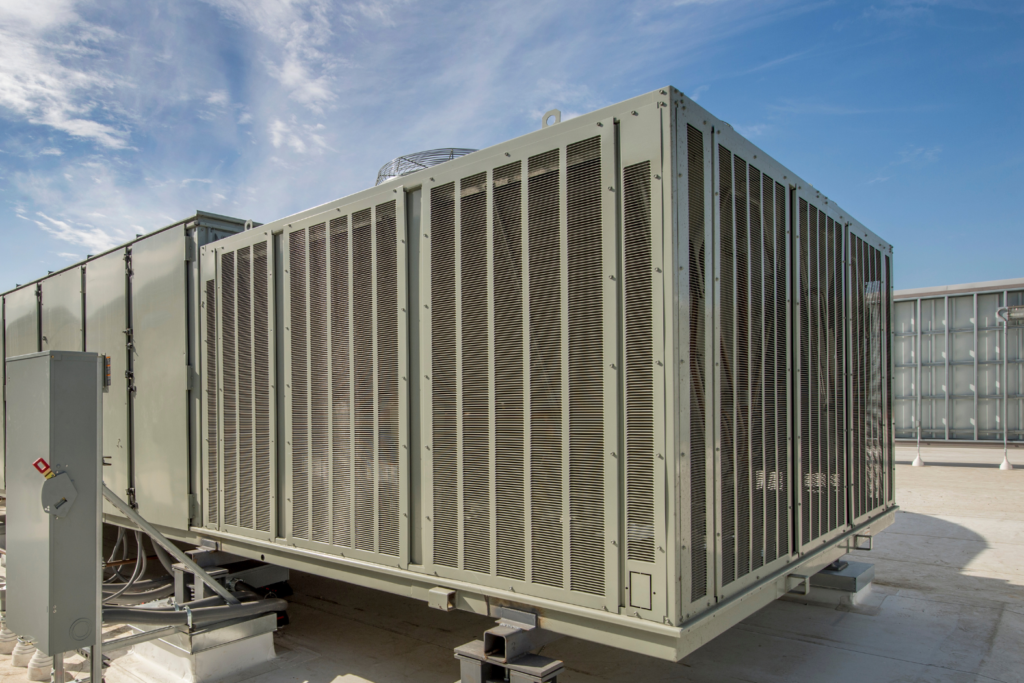
Rooftop units, air handlers, and cooling towers are assessed for age, brand, observed condition, service records where available, and current performance indicators. The operating condition at the time of inspection – does it start, run smoothly, cool or heat to setpoint – is one data point. Physical condition, such as corrosion levels, coil condition, refrigerant charges, economizer operation, adds more. An older RTU that is clearly well-maintained gets a different RUL estimate than one of the same age that shows signs of deferred maintenance.
Electrical systems
Main service equipment, distribution panels, and transformers are evaluated for age, ampacity relative to current building loads, physical condition of breakers and bussing, any signs of overheating or arcing, and compliance with current safety standards. Electrical equipment that is technically functional but at the end of expected useful life or presenting code compliance issues may have a very short effective RUL from a risk management standpoint even if it has not yet failed.
Plumbing infrastructure
Pipe material is a primary factor. Galvanized steel supply lines from older installations, for example, have a well-documented failure timeline once corrosion becomes active. Cast iron drain lines in older buildings can last well but need inspection for internal corrosion and joint failure. Water heater age and condition, boiler condition, and any visible infrastructure serve as inputs.
Elevators and conveyance systems
Age, maintenance records, current code compliance, and condition of major mechanical and control components. Elevators have well-defined maintenance requirements and inspection records through the permitting process. These records are often available and inform the RUL estimate significantly.
Structural and envelope components
Remaining useful life of building structure components is typically longer than mechanical systems, but envelope components such as windows, caulking, waterproofing, and sealants, have their own shorter cycles that drive capital spending in a commercial property.
The Difference Between Theoretical Lifespan and Actual Remaining Useful Life
A textbook lifespan for a commercial rooftop HVAC unit is typically 15 to 20 years. But a specific RTU at a specific building could realistically have anywhere from 2 years to 18 years of remaining life depending on its history and current condition.
Factors that reduce remaining useful life below theoretical:
- Deferred maintenance – skipped servicing, delayed minor repairs that became larger ones
- Harsh operating conditions – very high loads, extreme temperature cycles, corrosive environment
- Poor original installation quality
- Undersizing for the actual load it has been carrying
- Prior incidents – flooding, power surges, physical damage
Factors that extend remaining useful life toward or beyond theoretical:
- Consistent preventive maintenance
- Operating conditions within design parameters
- High-quality original installation
- Timely repairs when minor issues are identified
- System upgrades or retrofits that improved efficiency and reduced stress
A remaining useful life inspection acknowledges this reality rather than applying generic numbers to everything. The assessment is condition-based, not purely age-based.
How RUL Data Feeds into Capital Planning for Commercial Properties
A property condition report that includes RUL assessments for all major systems is a capital planning tool. Here is how the data gets used.
Short-term reserves (0 to 3 years) – Systems with RUL in this range need budget allocation now. These are the items that need line items in the near-term capital expenditure plan.
Medium-term planning (3 to 7 years) – Systems approaching end of useful life within this window need planning, vendor research, and reserve accumulation. They are not emergency items yet, but ignoring them creates emergency situations.
Long-term considerations (7+ years) – Systems with significant remaining life are lower priority for capital allocation but still need monitoring. Their status gets reassessed at future inspections.
For investment decisions, RUL data translates directly into risk assessment. A property where all major systems are within 3 years of expected end of life carries very different risk, and requires very different pricing consideration, than one where systems are mid-life and well-maintained.
Facility condition assessment that incorporates RUL estimates gives both buyers and sellers a common basis for evaluating what a property's true condition is worth. Without it, the negotiation often happens based on incomplete information.
Which Commercial Building Systems Warrant the Closest Attention
HVAC – Heating and cooling systems directly affect tenant comfort and lease compliance. They are also among the most expensive systems to replace. HVAC RUL is typically the highest-priority item in a commercial building assessment.
Roofing – Roof failures have immediate and severe consequences for interior finishes, contents, and electrical systems. A leaking roof in a commercial building creates liability and tenant issues quickly.
Electrical service – Aging electrical infrastructure can be a safety issue, an insurance issue, and a capacity issue simultaneously. The consequences of electrical failure go beyond the cost of the electrical system itself.
Life safety systems – Fire suppression, fire alarm, and emergency egress components have regulatory compliance requirements in addition to functional requirements. Their RUL assessment connects to compliance timelines as well as condition.
Building envelope – Windows, waterproofing, and caulking failures allow water intrusion that damages everything behind them. Envelope component RUL is often underappreciated relative to its impact.
Limitations of Remaining Useful Life Inspection
RUL assessment is a professional estimate, not a guarantee. Inspectors work from what is visible and accessible at the time of inspection.
Hidden conditions, such as failed insulation inside a wall, internal pipe corrosion, wiring problems behind panels, may not be apparent without invasive investigation that goes beyond a standard inspection.
Maintenance quality since the last inspection affects how quickly RUL estimates evolve. A system estimated at 5 years remaining that receives no maintenance in the following two years may reach end of life in year 3 rather than year 5.
RUL estimates should be revisited at regular inspection intervals, typically every three to five years for a full facility condition assessment, and adjusted as systems age and conditions change.
Conclusion
Remaining useful life inspection converts what an inspector sees into actionable capital planning data. It is the difference between a property inspection that describes current condition and one that tells owners and investors what to expect and when to expect it over the coming years.
LiteHouse Commercial incorporates RUL assessment into every commercial property inspection. Whether the goal is pre-acquisition due diligence, capital budget preparation, or an ongoing maintenance planning program, accurate system lifespan data is the foundation of sound commercial property management.
Frequently Asked Questions
Is remaining useful life inspection the same as a property condition assessment?
RUL assessment is typically one component of a broader property condition assessment (PCA). A full PCA covers site, structure, building systems, and envelope conditions with RUL estimates for each major component. Some clients commission abbreviated assessments focused only on specific systems, HVAC or roofing, for example, where RUL is the primary deliverable. The scope depends on the client's specific need.
How does deferred maintenance affect remaining useful life estimates?
Deferred maintenance consistently reduces remaining useful life below what age alone would suggest. A system that has not been regularly serviced shows accelerated wear, more component failures, and reduced efficiency. When an inspector encounters a system with clear evidence of deferred maintenance, the RUL estimate is adjusted downward from the age-based baseline to reflect the additional degradation. The adjustment magnitude depends on the severity and duration of the deferred maintenance.
Can remaining useful life estimates be used in lease negotiations for commercial properties?
Yes, they can and are. Tenants in NNN (triple net) or modified gross leases have a financial interest in major system condition because those leases often require tenants to contribute to or cover capital replacement costs. RUL data gives both landlords and tenants a documented basis for negotiating responsibility for upcoming capital expenditures. Some leases specifically reference property condition reports and RUL estimates as the basis for capital reserve contributions.